Skip to content
Back to all posts

Posts tagged: Accuracy

13 posts found

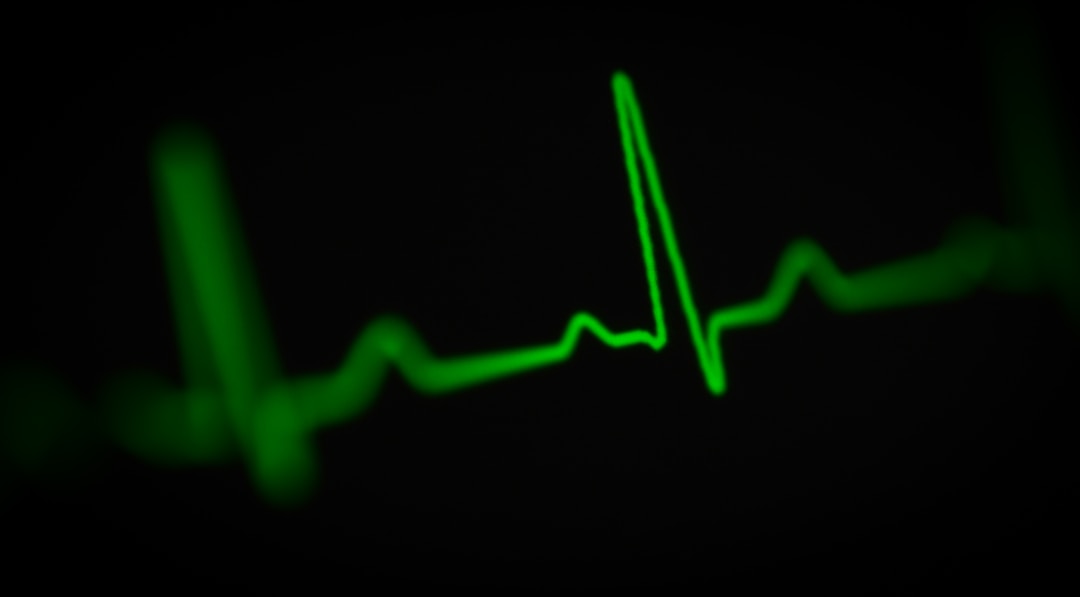
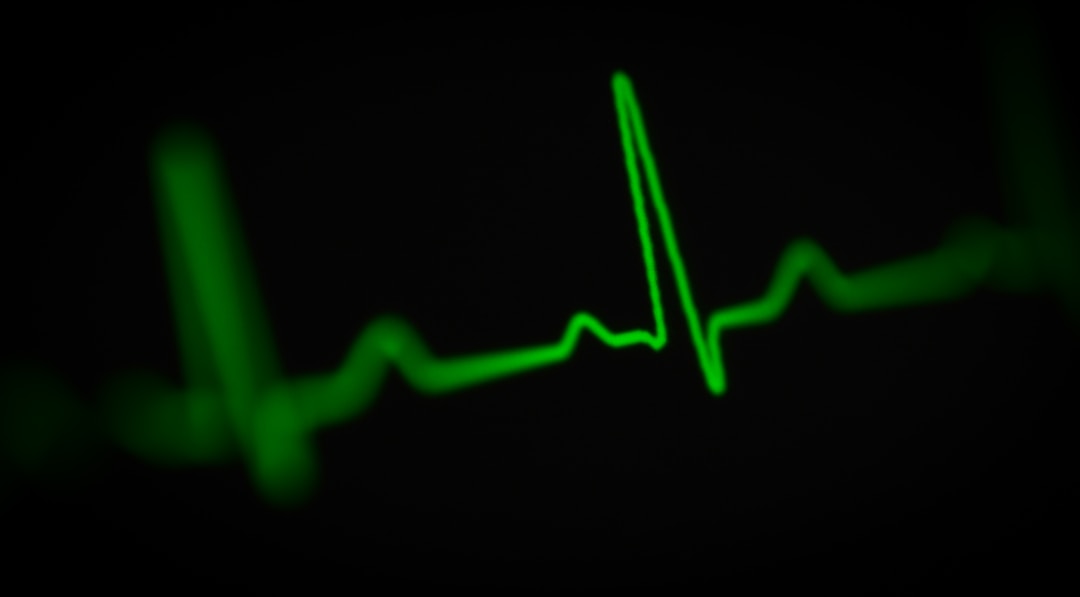
An ECG waveform diagram showing the difference between normal sinus rhythm and the chaotic irregular pattern of atrial fibrillation, illustrating what smart rings try to detect with PPG sensors
PpgHeart RateSensors

Your Smart Ring's AFib Detection Is Not Medical Grade. Here Is What It Actually Measures.

Smart rings use PPG sensors to detect patterns that may suggest atrial fibrillation. But PPG-based AFib detection is not medical-grade diagnosis. Here is how it works, what the accuracy actually looks like, and why the Circular Ring 2 with real ECG is the exception.

James Hoffmann James Hoffmann
Jun 26, 2026 1 min read
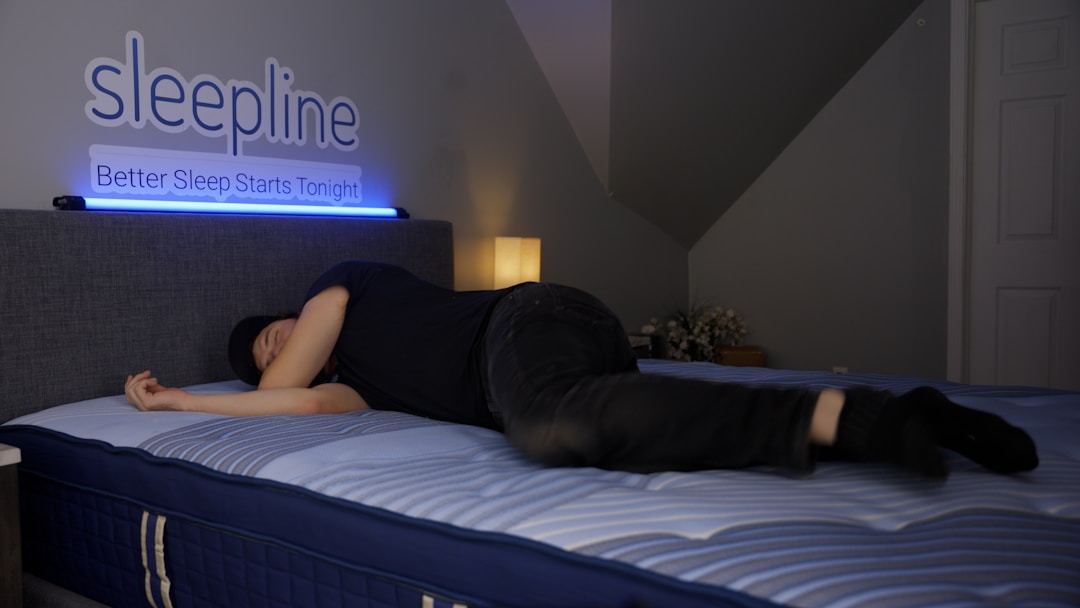
A person sleeping on their side with a smart ring on their finger, illustrating how body position compresses the finger against a pillow or mattress
PpgAccuracySleep

Why Your Smart Ring's Nighttime Data Is a Lie: The Sleep Position Problem Nobody Mentions

Your smart ring's PPG sensor assumes your finger is at heart level with unrestricted blood flow. When you sleep on your side, neither of those things is true. Here is what the data actually looks like.

James Hoffmann James Hoffmann
Jun 21, 2026 1 min read
Close up of tattoo ink on skin, the very layer where PPG optical sensors struggle to read blood flow
AccuracyTattoosPpg Sensors

Why Tattoos Break Your Smart Ring's PPG Sensor

Tattoo ink sits right where your smart ring's PPG light needs to go. The physics of why Oura, Whoop, and every other wearable struggles with inked skin, and what it means for the next generation of optical sensors.

James Hoffmann James Hoffmann
Jun 19, 2026 1 min read
A glass of wine and alcoholic drinks on a bar table, representing the common context of drinking before sleep
PpgAccuracyHrv

What Your Smart Ring Misses After a Night of Drinking: Alcohol and the Anatomy of a Broken Biometric

Alcohol breaks your wearable's data in three compounding ways. HRV goes up (which looks like recovery but is the opposite), deep sleep increases from delta wave activity (low quality), and PPG signal quality degrades from dehydration. Your readiness score may look fine while your body is metabolizing a toxin.

James Hoffmann James Hoffmann
Jun 17, 2026 1 min read
Frost-covered hands in cold weather. The same vasoconstriction that makes your fingers cold also breaks your smart ring optical sensor.
PpgAccuracySpo2

Why Your Smart Ring Fails in Cold Weather: The Vasoconstriction Problem Nobody Mentions

Your smart ring's PPG sensor stops working properly when your fingers get cold. Vasoconstriction reduces blood flow to your extremities, and the data quality drops by 50 percent or more. I spent a winter measuring exactly how much, and the numbers are worse than the industry admits.

James Hoffmann James Hoffmann
Jun 15, 2026 1 min read
A medical sleep study room with monitoring equipment and sensors, the gold standard for measuring sleep stages that smart rings attempt to approximate
Sleep ScienceOuraWhoop

How Smart Rings Calculate Sleep Stages (and Why They're Mostly Guessing)

Your smart ring does not measure sleep stages. It measures heart rate and motion, then guesses. Here's how the guess works, why the industry pretends otherwise, and why Pulsyn tells you the truth.

James Hoffmann James Hoffmann
Jun 8, 2026 14 min read
A person breathing deeply during meditation, illustrating the physical act of respiration that smart rings never actually measure
OuraWhoopAccuracy

How Smart Rings Guess Your Breathing Rate (and Why the Number Is Mostly Fiction)

Your smart ring does not count your breaths. It counts the ripples that breathing leaves on your heart rate, then runs statistics to guess how many times you inhaled. The method is real. The precision is not.

James Hoffmann James Hoffmann
Jun 8, 2026 11 min read
A close-up of a heart rate monitor sensor on a finger, showing the pulse reading in real time
AlgorithmsAccuracyHeart Rate

How Pulsyn Calculates Resting Heart Rate (and Why Your Current Number Is Probably Wrong)

Most wearables report resting heart rate as the lowest heart rate they can find, usually during sleep. The clinical definition is different. Pulsyn measures it during motionless awake periods, and the gap between the two definitions is often 10 to 15 beats per minute.

James Hoffmann James Hoffmann
Jun 3, 2026 13 min read
A runner on a track at sunset, the exact scenario where smart ring heart rate tracking fails due to finger blood flow physics
AccuracyExerciseFitness Tracking

Why Smart Rings Are Bad at Workout Tracking, and the Physics of Finger Blood Flow

Smart rings promise workout tracking, but the physics of finger blood flow makes PPG nearly useless during exercise. Here is why the heart rate data is often fabricated, and why Pulsyn does not pretend otherwise.

James Hoffmann James Hoffmann
Jun 3, 2026 13 min read