Skip to content
Back to all posts

Posts tagged: Algorithms

6 posts found

An ECG waveform diagram showing the difference between normal sinus rhythm and the chaotic irregular pattern of atrial fibrillation, illustrating what smart rings try to detect with PPG sensors
PpgHeart RateSensors

Your Smart Ring's AFib Detection Is Not Medical Grade. Here Is What It Actually Measures.

Smart rings use PPG sensors to detect patterns that may suggest atrial fibrillation. But PPG-based AFib detection is not medical-grade diagnosis. Here is how it works, what the accuracy actually looks like, and why the Circular Ring 2 with real ECG is the exception.

James Hoffmann James Hoffmann
Jun 26, 2026 1 min read
A pregnant woman wearing a smart ring, with abstract biometric data lines flowing around her finger
Heart RateBiometricsAlgorithms

Your Smart Ring Has No Idea You're Pregnant: How Pregnancy Breaks Every Biometric Algorithm

Pregnancy raises your resting heart rate by 10 to 20 bpm, drops your HRV, raises your temperature, and changes your sleep architecture. Every wearable algorithm trained on non-pregnant baselines gets this wrong. Here is what the data actually looks like.

James Hoffmann James Hoffmann
Jun 21, 2026 1 min read
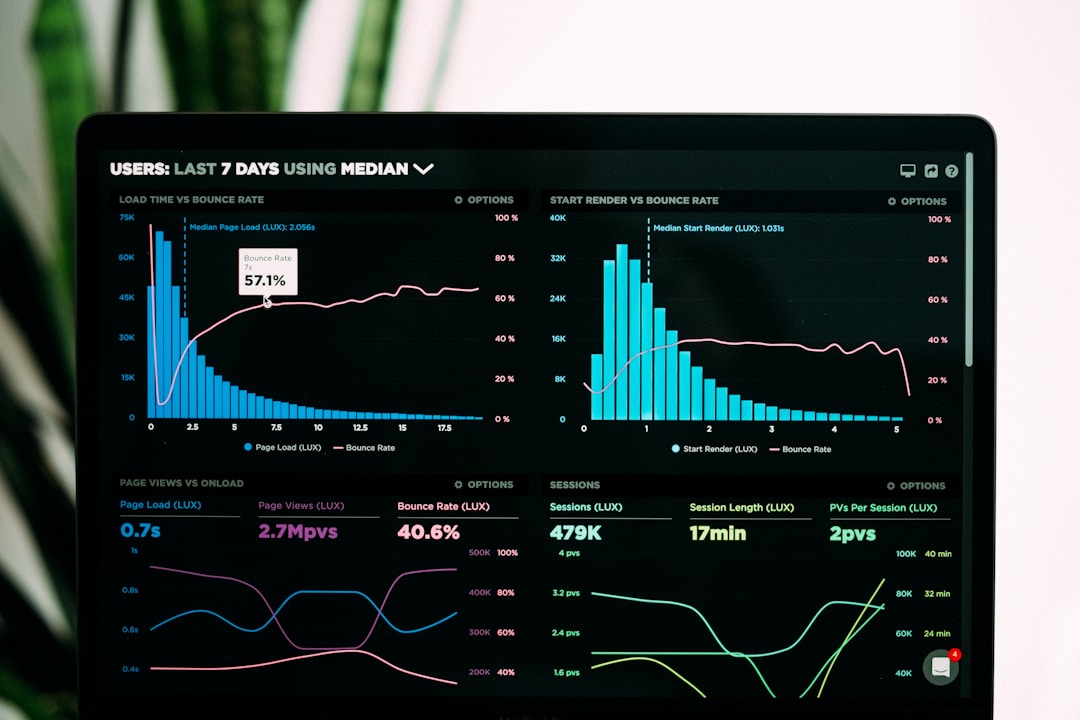
A data visualization dashboard showing charts and graphs. The kind of population statistics that power wearable health age scores, but which do not represent any individual accurately.
Health AgeFitnessAlgorithms

What 'Health Age' Actually Means and Why Pulsyn Doesn't Use It

Most wearables give you a health age or body age score that compares your biometrics to a population average. The math is a regression model, not a medical diagnosis. Pulsyn does not show one because the number is statistically invalid for the individual reading it.

James Hoffmann James Hoffmann
Jun 6, 2026 13 min read
A close-up of a heart rate monitor sensor on a finger, showing the pulse reading in real time
AlgorithmsAccuracyHeart Rate

How Pulsyn Calculates Resting Heart Rate (and Why Your Current Number Is Probably Wrong)

Most wearables report resting heart rate as the lowest heart rate they can find, usually during sleep. The clinical definition is different. Pulsyn measures it during motionless awake periods, and the gap between the two definitions is often 10 to 15 beats per minute.

James Hoffmann James Hoffmann
Jun 3, 2026 13 min read
Thermal imaging of a human hand showing heat distribution. The kind of raw signal most smart rings average away
Skin TemperatureSleep ScienceSensors

What Skin Temperature Actually Tells You (And Why Most Rings Get It Wrong)

Skin temperature is a proxy for blood flow, circadian phase, and autonomic tone. Most smart rings average it into a single nightly number. We do not.

James Hoffmann James Hoffmann
May 28, 2026 14 min read
An abstract visualization of the human nervous system and stress response, representing the complex physiology behind fabricated wearable stress scores
StressHrvWearables

Why Stress Scores Are the Most Fabricated Metric in Wearables

Every major wearable gives you a stress score between 0 and 100. That number is not a measurement. It is a proprietary blend of heart rate variability and secret sauce with no clinical definition. Pulsyn shows you the raw HRV and the context instead.

James Hoffmann James Hoffmann
May 26, 2026 13 min read