Skip to content
Back to all posts

Posts tagged: Hrv

11 posts found

Prescription medication pills on a dark surface, representing GLP-1 drugs like Ozempic and Wegovy
Heart RateOn Device AiHrv

What GLP-1 Drugs Do to Your Smart Ring's Readings

GLP-1 drugs like Ozempic and Wegovy increase your resting heart rate by 2-5 bpm, lower HRV, and change skin temperature. Here is how that breaks every wearable algorithm and why your recovery score is lying to you.

James Hoffmann James Hoffmann
Jun 23, 2026 1 min read
A pregnant woman wearing a smart ring, with abstract biometric data lines flowing around her finger
Heart RateBiometricsAlgorithms

Your Smart Ring Has No Idea You're Pregnant: How Pregnancy Breaks Every Biometric Algorithm

Pregnancy raises your resting heart rate by 10 to 20 bpm, drops your HRV, raises your temperature, and changes your sleep architecture. Every wearable algorithm trained on non-pregnant baselines gets this wrong. Here is what the data actually looks like.

James Hoffmann James Hoffmann
Jun 21, 2026 1 min read
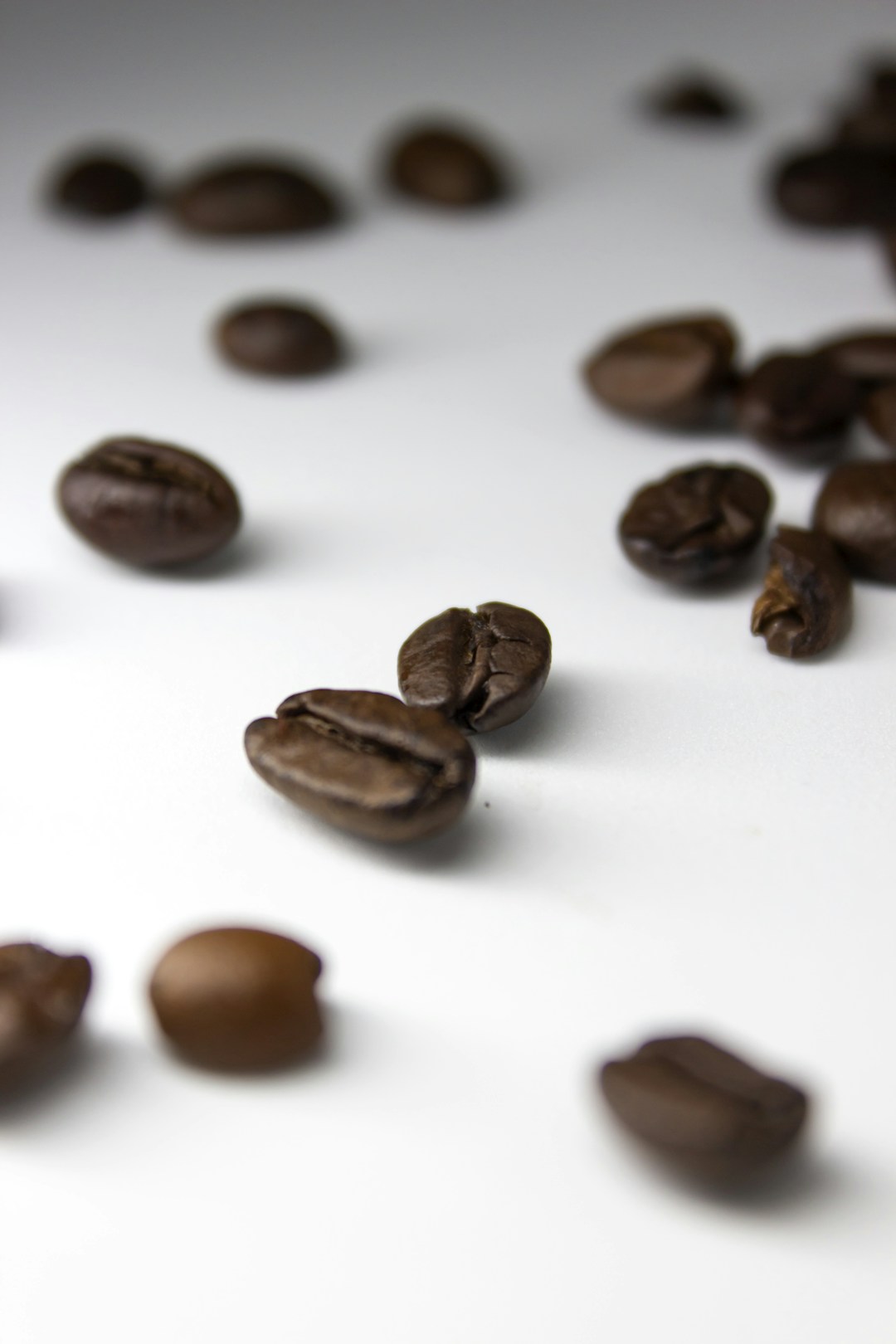
Closeup of roasted coffee beans scattered on a white surface, representing the source of caffeine that disrupts wearable biometric readings
PpgHeart RateBiometrics

Why Your Morning Coffee Confuses Your Sleep Tracker: Caffeine, Biometrics, and the False Recovery Signal

Caffeine changes your biometrics in ways that look like recovery to a wearable. Higher HRV, elevated resting heart rate, and altered sleep architecture produce a readiness score that says you are rested while your body metabolizes a stimulant. Here is how the blind spot works and what wearables could do about it.

James Hoffmann James Hoffmann
Jun 17, 2026 1 min read
A glass of wine and alcoholic drinks on a bar table, representing the common context of drinking before sleep
PpgAccuracyHrv

What Your Smart Ring Misses After a Night of Drinking: Alcohol and the Anatomy of a Broken Biometric

Alcohol breaks your wearable's data in three compounding ways. HRV goes up (which looks like recovery but is the opposite), deep sleep increases from delta wave activity (low quality), and PPG signal quality degrades from dehydration. Your readiness score may look fine while your body is metabolizing a toxin.

James Hoffmann James Hoffmann
Jun 17, 2026 1 min read
Frost-covered hands in cold weather. The same vasoconstriction that makes your fingers cold also breaks your smart ring optical sensor.
PpgAccuracySpo2

Why Your Smart Ring Fails in Cold Weather: The Vasoconstriction Problem Nobody Mentions

Your smart ring's PPG sensor stops working properly when your fingers get cold. Vasoconstriction reduces blood flow to your extremities, and the data quality drops by 50 percent or more. I spent a winter measuring exactly how much, and the numbers are worse than the industry admits.

James Hoffmann James Hoffmann
Jun 15, 2026 1 min read
A fitness tracker dashboard showing multiple rings and metrics. The interface design that turns physiological complexity into a single digestible number, and the psychological cost of that simplification
OuraReadinessWhoop

Recovery, Readiness, and Strain: Why Your Wearable Gives You Three Scores for the Same Inputs

Oura calls it Readiness. Whoop calls it Recovery. Garmin calls it Body Battery. They all pull from the same three inputs. The names are different because the marketing departments are different. The math is nearly identical because the sensors are identical.

James Hoffmann James Hoffmann
Jun 11, 2026 16 min read
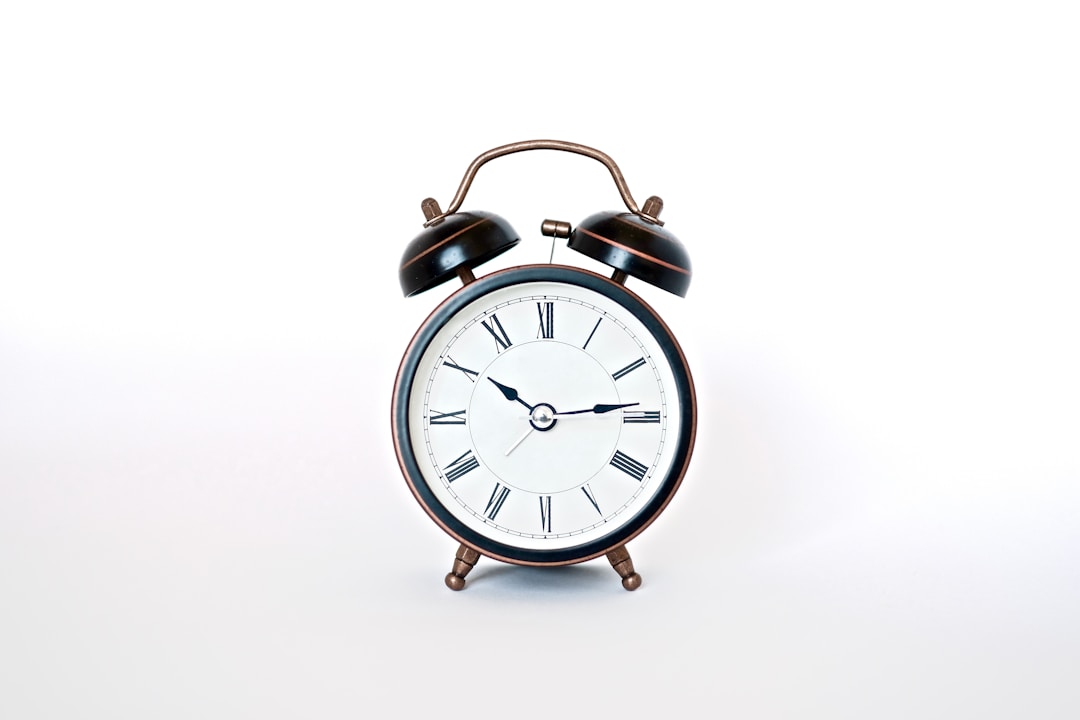
An alarm clock on a bedside table in soft morning light, showing the gap between weekday wake times and weekend sleep schedules
Circadian RhythmSocial JetlagReadiness

The Social Jetlag Problem: Why Your Weekend Sleep Schedule Is Wrecking Your Recovery Score

Most wearables score Monday morning as poor recovery when the real problem is that their algorithm does not know what time your brain thinks it is. Social jetlag shifts your circadian clock by one to two hours every weekend. The recovery score does not.

James Hoffmann James Hoffmann
Jun 10, 2026 15 min read
A person breathing deeply during meditation, illustrating the physical act of respiration that smart rings never actually measure
OuraWhoopAccuracy

How Smart Rings Guess Your Breathing Rate (and Why the Number Is Mostly Fiction)

Your smart ring does not count your breaths. It counts the ripples that breathing leaves on your heart rate, then runs statistics to guess how many times you inhaled. The method is real. The precision is not.

James Hoffmann James Hoffmann
Jun 8, 2026 11 min read
A conceptual visualization of stress physiology showing the interconnected nervous system response that wearable devices attempt to measure
StressAlgorithmHrv

What Goes Into Pulsyn's Stress Score

Most wearables compute a stress score by running your heart rate through a black box. Pulsyn does the same thing, but the weights are public, the math is in the repository, and the app tells you exactly how confident it is. Here is the full breakdown.

James Hoffmann James Hoffmann
Jun 4, 2026 13 min read