Skip to content
Back to all posts

Posts tagged: Ppg

14 posts found

An ECG waveform diagram showing the difference between normal sinus rhythm and the chaotic irregular pattern of atrial fibrillation, illustrating what smart rings try to detect with PPG sensors
PpgHeart RateSensors

Your Smart Ring's AFib Detection Is Not Medical Grade. Here Is What It Actually Measures.

Smart rings use PPG sensors to detect patterns that may suggest atrial fibrillation. But PPG-based AFib detection is not medical-grade diagnosis. Here is how it works, what the accuracy actually looks like, and why the Circular Ring 2 with real ECG is the exception.

James Hoffmann James Hoffmann
Jun 26, 2026 1 min read
A person sleeping on their side with a smart ring on their finger, illustrating how body position compresses the finger against a pillow or mattress
PpgAccuracySleep

Why Your Smart Ring's Nighttime Data Is a Lie: The Sleep Position Problem Nobody Mentions

Your smart ring's PPG sensor assumes your finger is at heart level with unrestricted blood flow. When you sleep on your side, neither of those things is true. Here is what the data actually looks like.

James Hoffmann James Hoffmann
Jun 21, 2026 1 min read
An oscilloscope display showing a clean waveform, representing the textbook PPG signal that smart rings almost never actually capture during motion
PpgHeart RateSensors

What Your Smart Ring's Heart Rate Data Looks Like After You Move: Motion Artifacts, Adaptive Filters, and the Signal You Never See

Your smart ring's PPG sensor produces clean heart rate data roughly 40 percent of the time. The other 60 percent is a signal that has been through an adaptive filter, and what comes out is a reconstruction. Here is what actually happens inside the chip when you wave your hand.

James Hoffmann James Hoffmann
Jun 18, 2026 1 min read
Closeup of roasted coffee beans scattered on a white surface, representing the source of caffeine that disrupts wearable biometric readings
PpgHeart RateBiometrics

Why Your Morning Coffee Confuses Your Sleep Tracker: Caffeine, Biometrics, and the False Recovery Signal

Caffeine changes your biometrics in ways that look like recovery to a wearable. Higher HRV, elevated resting heart rate, and altered sleep architecture produce a readiness score that says you are rested while your body metabolizes a stimulant. Here is how the blind spot works and what wearables could do about it.

James Hoffmann James Hoffmann
Jun 17, 2026 1 min read
A glass of wine and alcoholic drinks on a bar table, representing the common context of drinking before sleep
PpgAccuracyHrv

What Your Smart Ring Misses After a Night of Drinking: Alcohol and the Anatomy of a Broken Biometric

Alcohol breaks your wearable's data in three compounding ways. HRV goes up (which looks like recovery but is the opposite), deep sleep increases from delta wave activity (low quality), and PPG signal quality degrades from dehydration. Your readiness score may look fine while your body is metabolizing a toxin.

James Hoffmann James Hoffmann
Jun 17, 2026 1 min read
Frost-covered hands in cold weather. The same vasoconstriction that makes your fingers cold also breaks your smart ring optical sensor.
PpgAccuracySpo2

Why Your Smart Ring Fails in Cold Weather: The Vasoconstriction Problem Nobody Mentions

Your smart ring's PPG sensor stops working properly when your fingers get cold. Vasoconstriction reduces blood flow to your extremities, and the data quality drops by 50 percent or more. I spent a winter measuring exactly how much, and the numbers are worse than the industry admits.

James Hoffmann James Hoffmann
Jun 15, 2026 1 min read
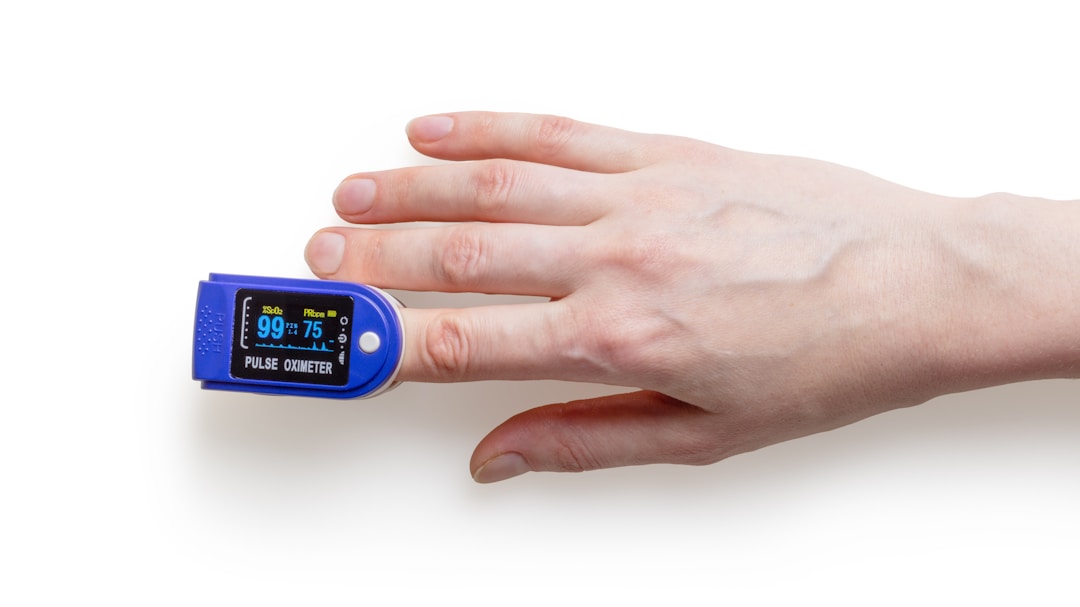
A pulse oximeter clipped on a finger showing how optical sensors measure blood flow through the skin, the same principle used in smart ring PPG sensors
PpgWearable AccuracySkin Tone Bias

Your Smart Ring's PPG Sensor Has a Skin Tone Problem. The Industry Is Quiet About It.

Green-light PPG sensors in smart rings measure pulse by shining LEDs through your skin. Melanin absorbs that green light, which means your Oura or Ultrahuman reads your heart rate differently based on your skin tone. The research shows 30 to 60 percent signal degradation on darker skin. The industry does not talk about it. Pulsyn is building a ring that does.

James Hoffmann James Hoffmann
Jun 13, 2026 1 min read
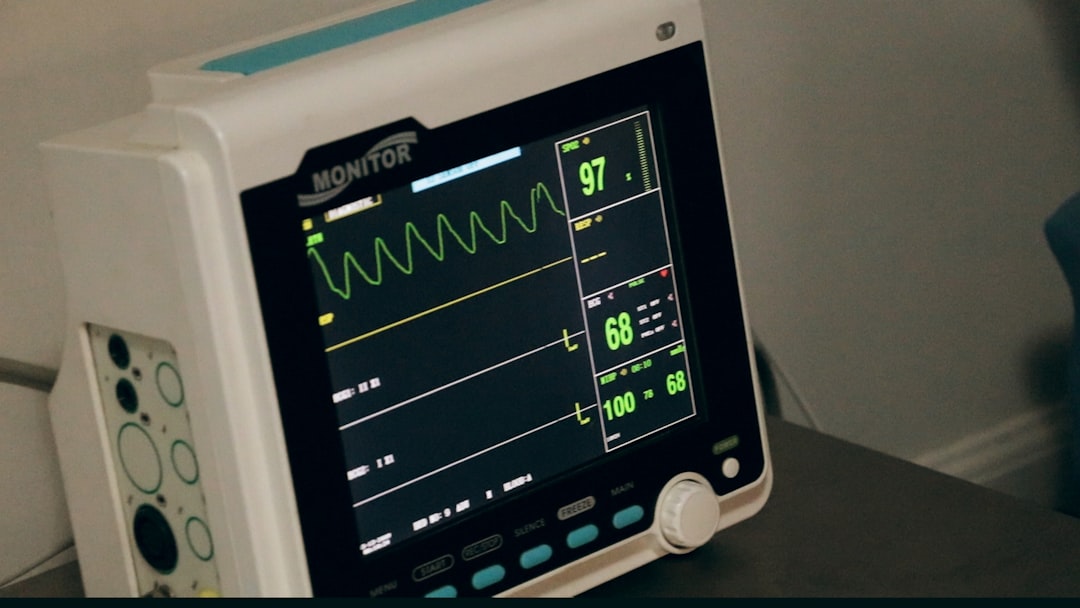
A close-up of an ECG monitor screen showing the characteristic electrical waveform of a heartbeat. Smart rings measure something completely different.
PpgHeart RateMedical Devices

Why Smart Rings Can't Do ECG

The Apple Watch measures electrical voltage. Every smart ring measures light bouncing off blood. These are two different physical phenomena, and the ring form factor makes ECG impossible with current technology.

James Hoffmann James Hoffmann
Jun 10, 2026 13 min read
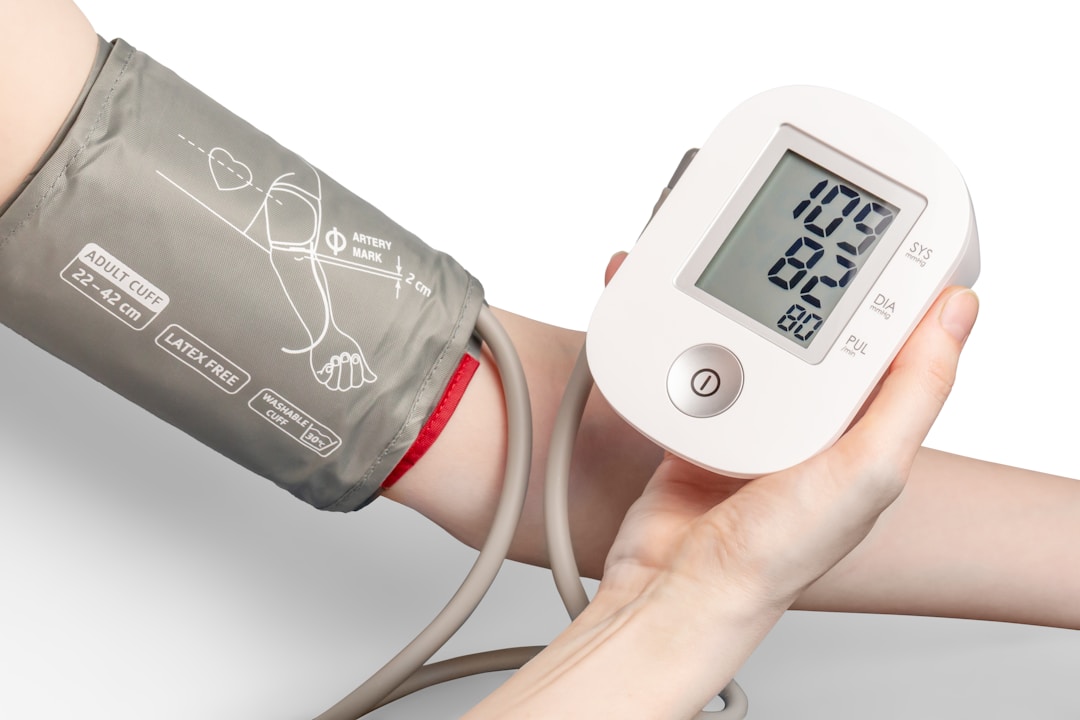
A blood pressure monitor cuff on a desk, the exact device smart rings would need to replace to measure blood pressure accurately
Blood PressureHealth TechPhysics

Why Smart Rings Can't Measure Blood Pressure Yet

Blood pressure is a force measurement, not a volume measurement. A PPG sensor in a smart ring tracks blood volume, not pressure. Here is why that gap cannot be closed with machine learning alone, and why Pulsyn will not ship a blood pressure estimate until the physics actually works.

James Hoffmann James Hoffmann
Jun 9, 2026 14 min read