Skip to content
Back to all posts

Posts tagged: Sleep Tracking

6 posts found

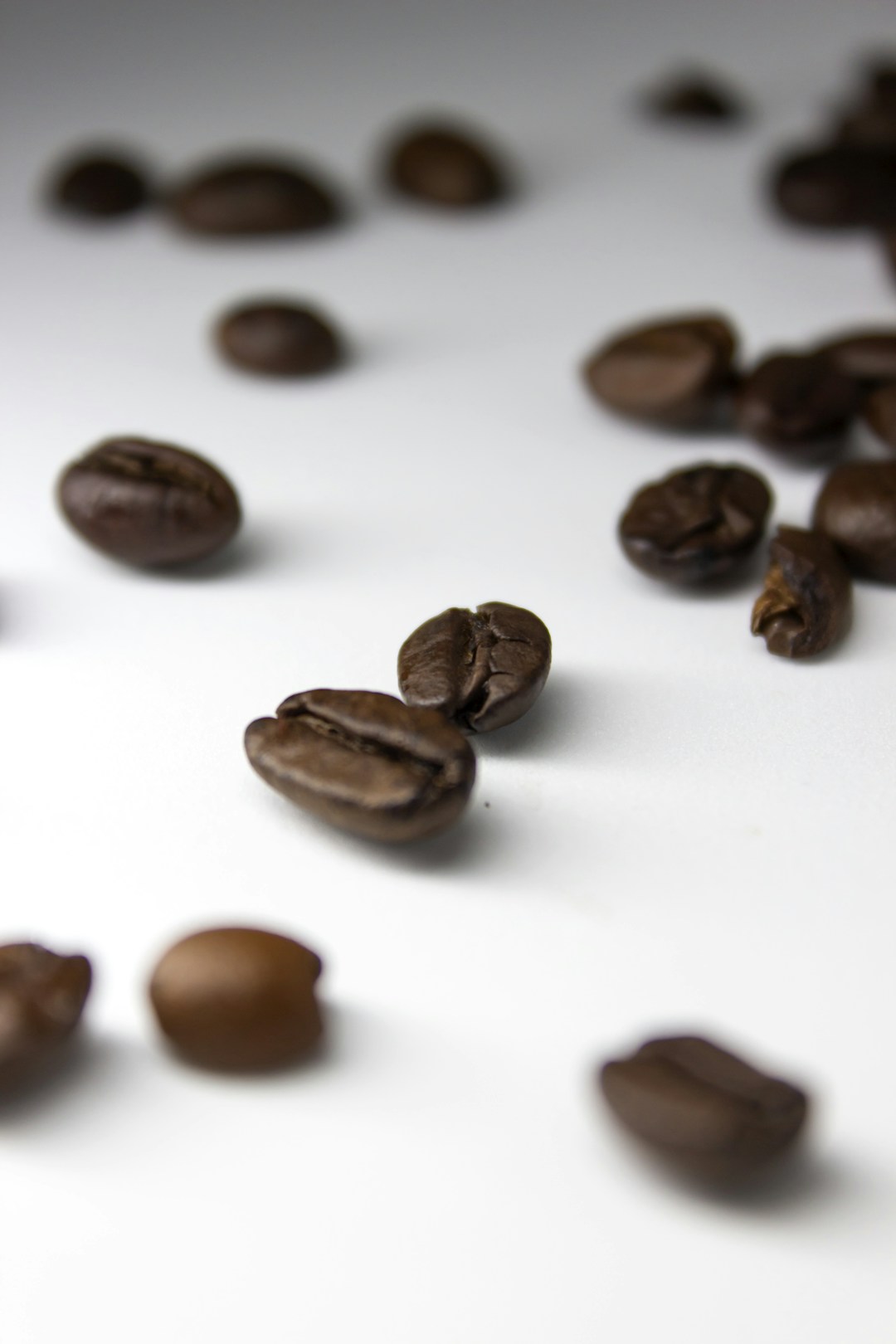
Closeup of roasted coffee beans scattered on a white surface, representing the source of caffeine that disrupts wearable biometric readings
PpgHeart RateBiometrics

Why Your Morning Coffee Confuses Your Sleep Tracker: Caffeine, Biometrics, and the False Recovery Signal

Caffeine changes your biometrics in ways that look like recovery to a wearable. Higher HRV, elevated resting heart rate, and altered sleep architecture produce a readiness score that says you are rested while your body metabolizes a stimulant. Here is how the blind spot works and what wearables could do about it.

James Hoffmann James Hoffmann
Jun 17, 2026 1 min read
A glass of wine and alcoholic drinks on a bar table, representing the common context of drinking before sleep
PpgAccuracyHrv

What Your Smart Ring Misses After a Night of Drinking: Alcohol and the Anatomy of a Broken Biometric

Alcohol breaks your wearable's data in three compounding ways. HRV goes up (which looks like recovery but is the opposite), deep sleep increases from delta wave activity (low quality), and PPG signal quality degrades from dehydration. Your readiness score may look fine while your body is metabolizing a toxin.

James Hoffmann James Hoffmann
Jun 17, 2026 1 min read
A dark bedroom with a person lying awake in bed, the kind of scene orthosomnia creates for people who obsess over sleep tracker data
Sleep TrackingWearable HealthOrthosomnia

Your Smart Ring Might Be Causing Your Insomnia

Your sleep tracker tells you how badly you slept every morning. For a growing number of people, that number is the reason they can't sleep at all. The condition has a name: orthosomnia.

James Hoffmann James Hoffmann
Jun 15, 2026 1 min read
A person wearing a smart ring while sleeping, with a digital overlay showing temperature and heart rate data patterns used for early illness detection
On Device AiSkin TemperatureSleep Tracking

Can Your Smart Ring Detect Illness Before You Feel Symptoms

A March 2026 Nature study found that sleep and temperature data from consumer wearables can detect diabetes with 73% accuracy. The sensors are already in your smart ring. The companies selling them are not using them for this.

James Hoffmann James Hoffmann
Jun 13, 2026 1 min read
A night owl perched in darkness, illustrating the biological reality that not everyone is wired for early sleep — something no smart ring sensor can detect
ChronotypeSleep ScienceCircadian Rhythm

The Chronotype Problem: Why Your Smart Ring's 'Optimal Bedtime' Is Wrong for Half the Population

Your smart ring tells you to sleep at 9:30 PM because your heart rate dropped. But it does not know whether your brain produces melatonin at 9:30 PM or midnight. Chronotype, the genetic wiring that makes you a lark or a night owl, is ignored by every bedtime guidance feature on the market.

James Hoffmann James Hoffmann
Jun 11, 2026 1 min read
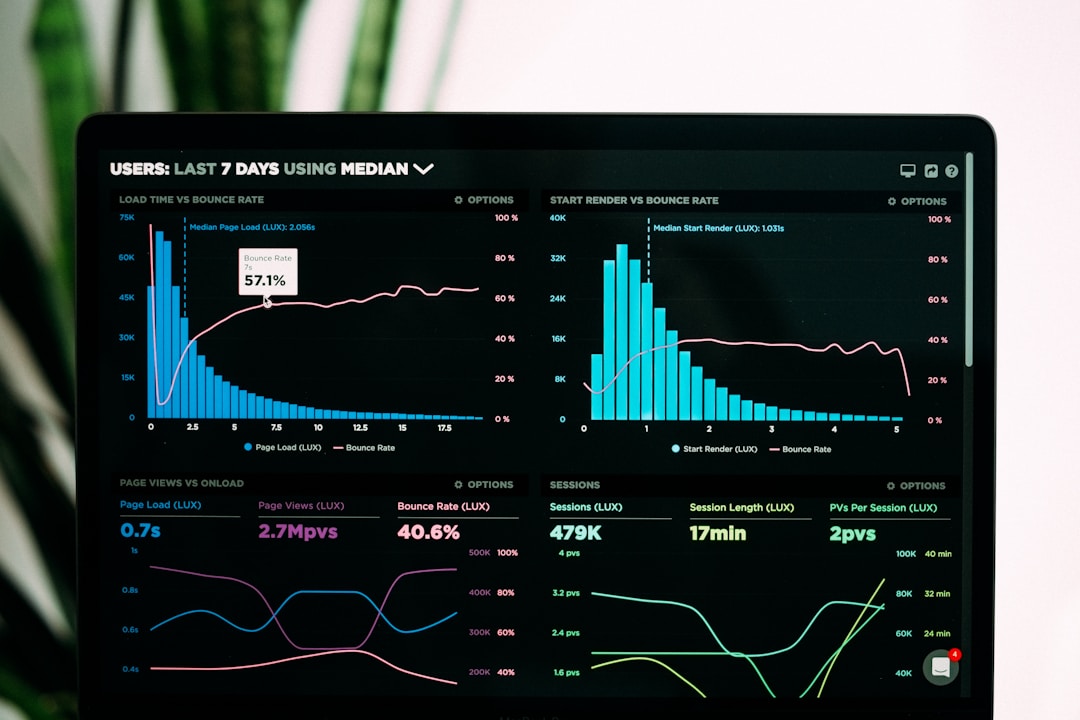
A data visualization dashboard showing algorithmic learning patterns, representing how smart rings build personalized baselines over time
BaselineCalibrationSleep Tracking

How Smart Rings Learn Your Body (and Why the First Two Weeks Matter)

Your smart ring is guessing for the first two weeks. Every sleep score and recovery metric is built on population averages until the algorithm learns what normal looks like for you. Most companies do not tell you this clearly. Pulsyn does.

James Hoffmann James Hoffmann
May 30, 2026 12 min read